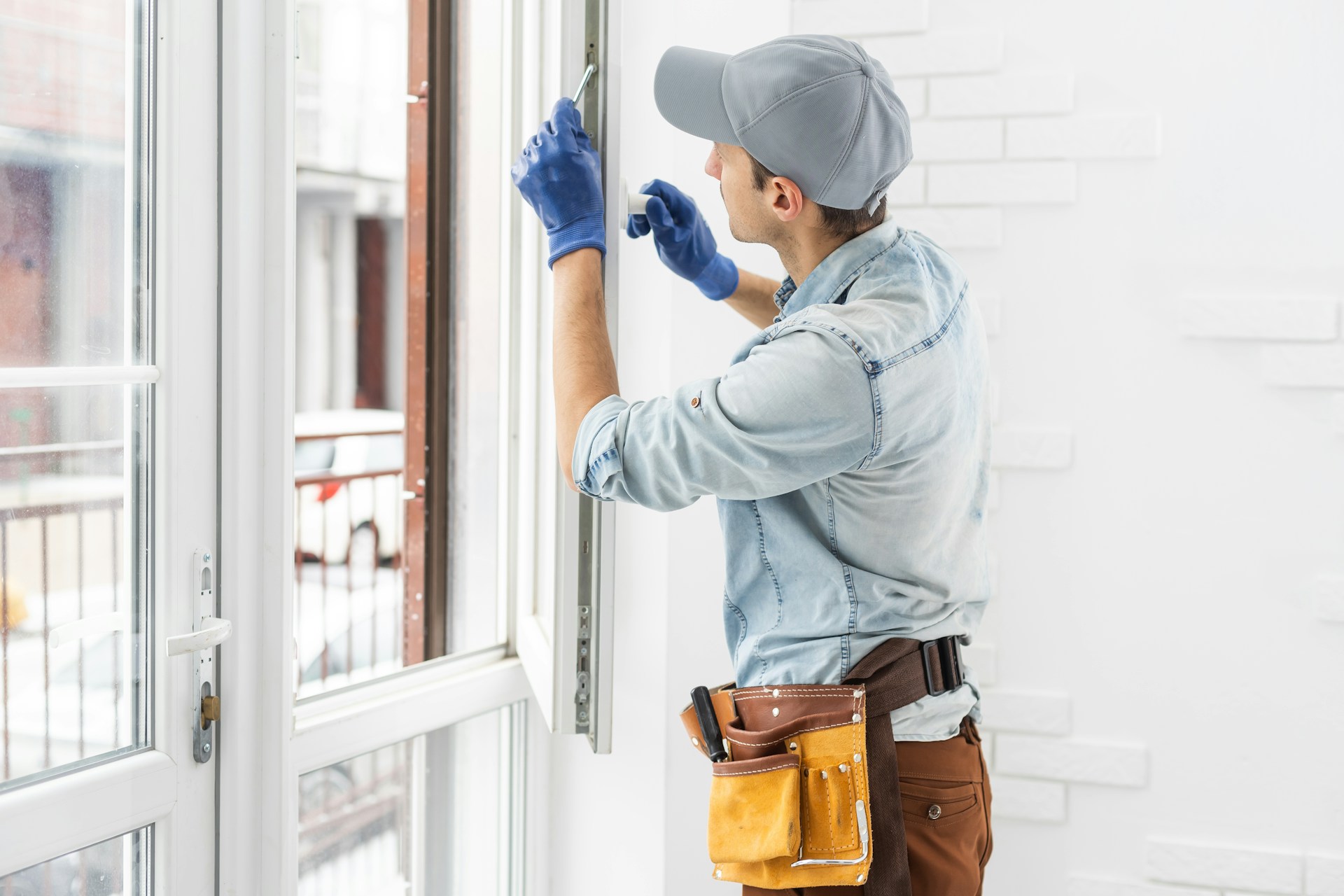
Cold Weather Window Installation Tips
Cold weather can be tough on homes, especially when you're planning updates like window replacements. Many homeowners push off these upgrades until spring or summer, worried that cold temperatures will lead to problems. But putting it off for too long could mean struggling through drafts, higher heating bills, and moisture buildup during the peak of the season.
Winter installations, when done properly, come with real advantages. Skilled installers know how to work around the cold to get the job done right. With the right approach, homeowners can boost their comfort, maintain efficiency, and avoid the seasonal rush for spring installation bookings. Whether your windows are cracked, warped, or just not sealing properly, there's no need to wait months for better weather.
Understanding Winter Window Installation
Installing windows during the winter comes with a specific set of obstacles. One of the most common issues is how materials react to the cold. Some sealants don't stick properly once temperatures drop to a certain point, making it harder to get a clean, airtight seal. Frames can also contract in the cold, which leads to gaps if installers aren't prepared for it. And let's be honest, no one likes the idea of chilly air flooding their home during the process.
But experienced installers plan for these things. They use low-temperature-rated sealants and insulation designed to hold up even in freezing weather. They'll work quickly and efficiently, prepping the site ahead of time so the window is exposed for as little time as possible. Many will also use barriers or isolate rooms to keep the cold from spreading to the rest of the house.
Here's how a professional usually handles installation in winter:
- They start by measuring and double-checking before the window opening is exposed to limit how long the area is open
- They apply sealants formulated for low temperatures and high-moisture resistance
- They install and insulate with products that don't lose performance in the cold
- They finish the job quickly, often working on one window at a time to keep the house warm
One example is when a window needs replacing in a frequently used living area. The installer might ask the homeowner to close heating vents in that room and shut internal doors, keeping the rest of the house comfortable while they work in short bursts to get the new unit in quickly and securely. That kind of planning makes a big difference and proves that winter installs are doable with the right people on the job.
Pre-Installation Preparations
Before work begins, getting the house ready for a winter window installation can make a clear difference. Snow, ice, and freezing temperatures mean you'll want to think a little differently than you would in warmer months. A bit of pre-planning helps keep your home clean, warm, and safe throughout the process.
For starters, clear around the windows that will be replaced, both inside and out. That includes snow removal along paths, walkways, and driveways, which gives installers easier and safer access. Indoors, move furniture and window coverings, and keep pets away from the work area. If you have floor rugs or items that could get in the way, relocate them ahead of time.
Temperature plays a role too. Cold weather installations are often scheduled during the warmest part of the day, usually after mid-morning and before late afternoon. If possible, adjust your home's heat accordingly before and after the installation work. It can help make things more comfortable while windows are being swapped out.
A little prep checklist for homeowners:
- Shovel walkways and ensure work zones are free from ice
- Move curtains, blinds, and furniture away from window areas
- Keep pets and children out of the rooms being worked on
- Turn up the heat ahead of the install so the indoor temperature stays more stable
- Make sure installers have parking nearby, especially if roads are slick
Planning ahead lets your window crew stay focused on doing their best work. You don't have to do anything complicated, just a few quick steps to make the process smoother for everyone involved.
Tips For Ensuring A Successful Installation
To get the best outcome, homeowners need to keep a few details in mind. Good installations come down to proper planning, the right materials, and a professional crew that understands what cold-weather work demands.
One smart step is confirming window measurements in advance. During winter, you don't want delays due to missing or mismatched parts. Choose styles that are proven to hold up well in extreme weather. Triple-pane designs, insulating frames, and features built to block air leaks are especially helpful.
Work with installers who understand cold-weather sealants and how long they take to cure in freezing conditions. These materials act differently than they do in summer, so proper handling is key. A winter team should also know how to reduce exposure time during the swap, especially to stop too much warm air from escaping.
Signs of a solid cold-weather installation:
- Perfect fit with no gaps or forced frames
- Clean, tight finishes that prevent drafts or moisture leaks
- Insulated edges that stay intact through freeze-thaw cycles
- Hardware and locks that move smoothly, even in cold temperatures
An installation crew that understands these things will give your windows the longevity and performance they were designed for. One homeowner we worked with delayed their install until mid-December due to scheduling. Even with snow on the ground and the temperature holding steady below freezing, the job went off without issues by following steps like these. It proves that working smarter, not faster, wins the day when winter comes around.
Post-Installation Care And Maintenance
Once the new windows are in, you're not quite done. Winter weather can test even a great installation, so taking time to check and care for your windows in the days and weeks after is important.
After the install, inspect the areas around the frame. If you feel any drafts, point them out right away. Even the best sealants sometimes shift with sudden temperature swings. It's also a good idea to check the locks and opening mechanisms. Cold air can cause hinges or latches to stiffen, so make sure everything opens and closes smoothly.
Keep the edges of your windows clear of snow, especially ice buildup. Ice dams from above can push water into your frames, so clearing gutters and downspouts helps prevent that. Stay alert to signs of condensation between panes or around the interior edges. That usually points to a bigger moisture problem or an airflow issue that needs more attention.
A quick checklist after installation:
- Feel around the window for cold spots or air leaks
- Open and close the window to test performance and adjust if needed
- Brush away snow or ice from sills and outdoor trim
- Check the caulking and finishes once temperatures adjust
- Contact your installer if anything doesn't seem right
It only takes a few quick checks to keep things secure, but skipping them can lead to small problems getting bigger fast.
Why Winter Windows Don't Have To Wait
Cold weather window installs can sound risky, but they really don't have to be. When done right, these upgrades bring real comfort through some of the harshest months of the year. A properly sealed window keeps warm air in, cold drafts out, and lowers what your heating system needs to do.
The key is choosing an experienced crew, preparing your home, and staying involved during the process. There's no rule that says winter updates have to be more stressful or less effective. With the right planning and care, an off-season update can offer year-round payoffs and peace of mind.
Ready to experience the unmatched comfort and efficiency that winter windows can bring? Trust the expertise of Renew Windows Limited to guide you through seamless window upgrades even in the chilliest of conditions. Our experienced team ensures every detail is handled with precision, providing top-tier service from start to finish. Discover how our window installation in Windermere, BC, can transform your home into a cozy haven, no matter the season.
